

1. Commercial & Industrial Parks / Large Hotels
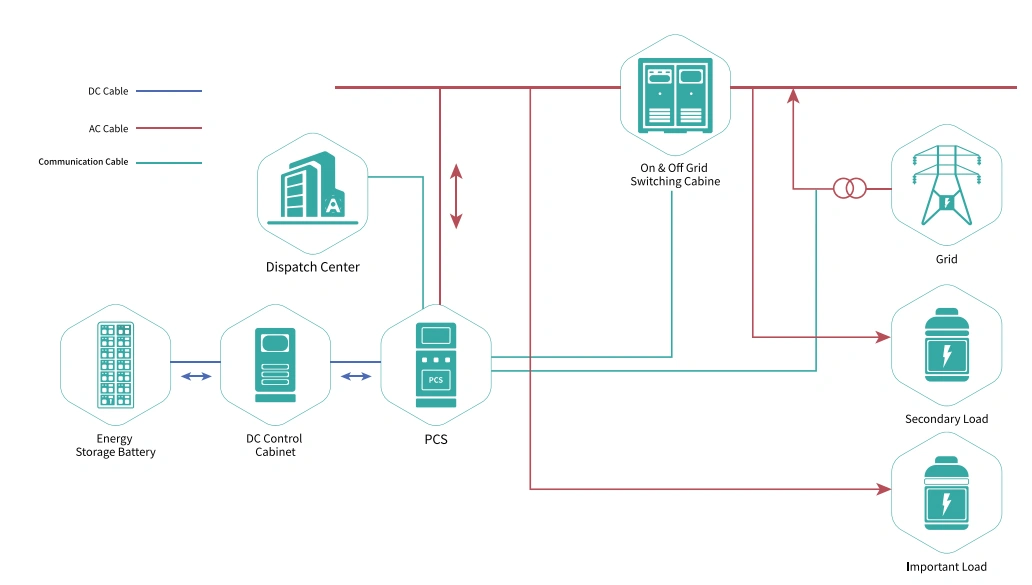
1–2 energy storage containers (1–2MWh) are deployed to reduce electricity costs through peak shaving and load shifting, lower demand charges through demand management, and provide backup power during grid outages.
- System Capacity: Configured according to peak demand and overnight load requirements.
- EMS Strategy: Prioritizes economic performance while ensuring uninterrupted power supply to critical production lines, equipment, or guest facilities.
2. EV Fast Charging & Battery Swapping Stations
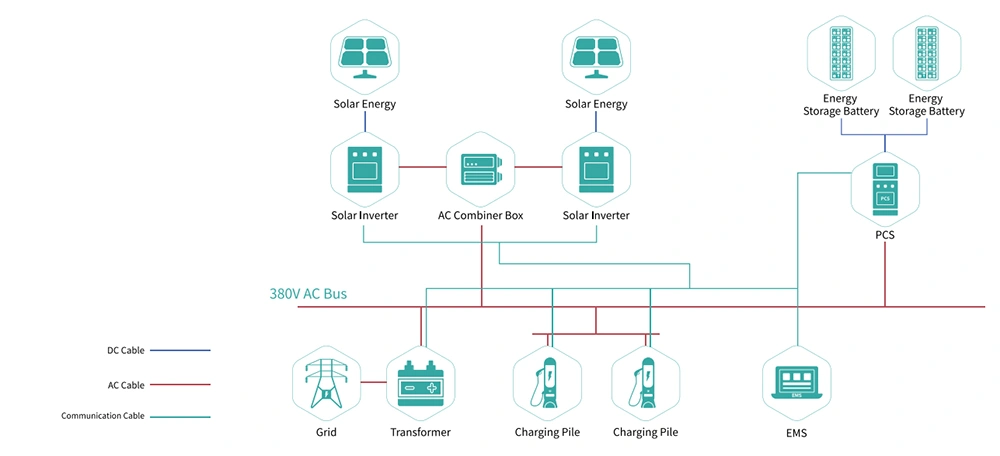
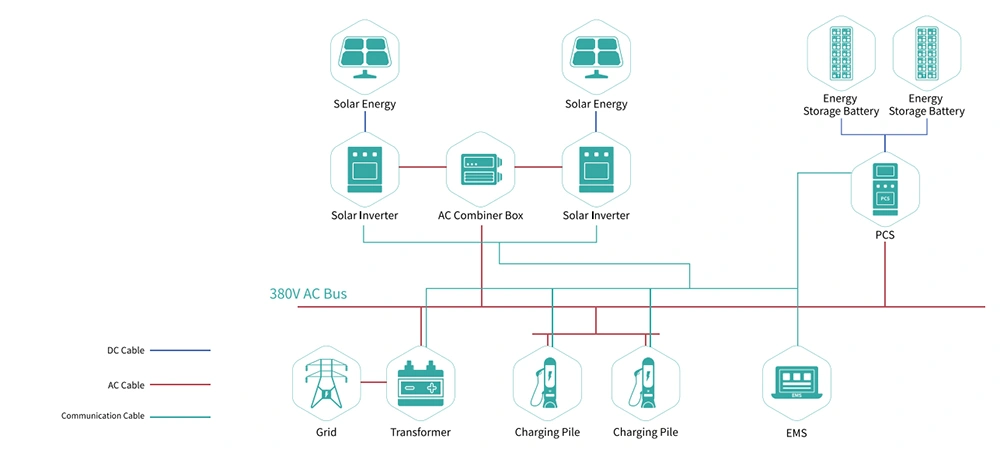
Energy storage containers are used to create an integrated solar, storage, charging, and inspection station. The ESS supports high-power EV charging, reduces grid impact during peak demand periods, and improves overall station operating efficiency.
- Power Capacity: Equipped with high-power PCS units (500kW and above) to support multiple ultra-fast charging guns operating simultaneously.
- EMS Strategy: Dynamically responds to grid conditions and acts as an energy buffer during periods of grid congestion, enabling high-power fast charging without costly grid upgrades.
Our energy generation solutions improve power output stability, reduce renewable energy curtailment, and increase the operational flexibility and value of renewable energy assets.
1. Utility-Scale Solar & Wind Farms
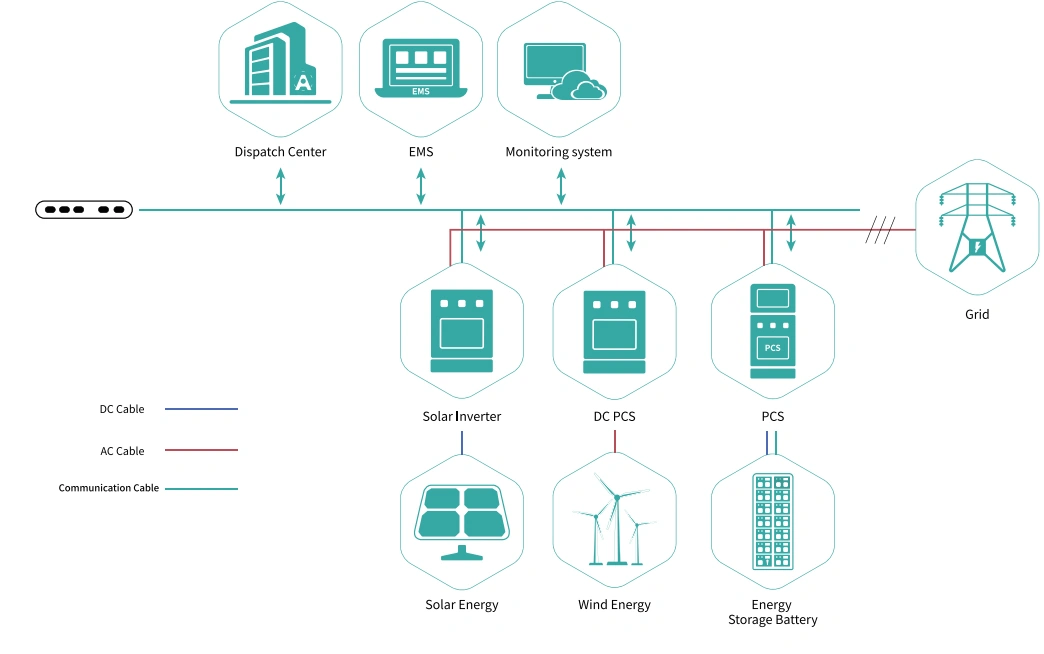
Deploy energy storage container clusters at substations or collection systems to store excess renewable energy and support grid integration. System capacity can be scaled from several megawatt-hours to hundreds of megawatt-hours according to project requirements.
- Main Functions: Energy shifting, output smoothing, and primary frequency regulation. Excess solar or wind power can be stored during periods of high generation and discharged when demand increases, helping address output fluctuations and the solar "duck curve" effect.
- Grid Compliance: Designed to meet the latest grid requirements for renewable energy projects, including mandatory energy storage integration and dispatchability requirements.
2. Distributed Solar + Storage Systems
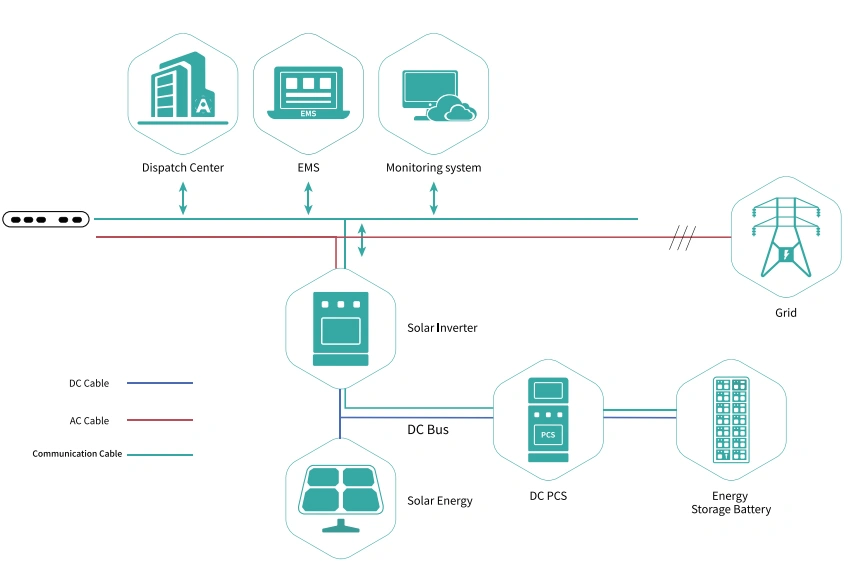
One or more energy storage containers are deployed, alongside on-site distribution facilities to operate in coordination with rooftop solar systems. The solution increases solar energy utilization, improves energy independence, and reduces reliance on grid electricity.
- EMS Strategy: Maximizes solar self-consumption by storing excess solar energy for later use instead of exporting it to the grid at lower electricity rates.
- Operating Mode: Supports peer-to-peer energy trading and local energy sharing, allowing stored renewable energy to be supplied to neighboring businesses where permitted by local regulations.
Enhance grid resilience, provide flexible balancing resources, and reduce the need for costly grid infrastructure upgrades.
1. Frequency Regulation & Ancillary Services
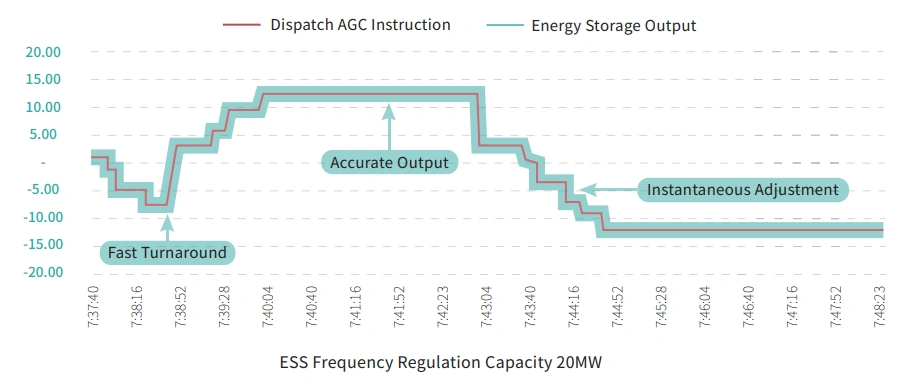
Energy storage containers are deployed at key grid nodes as standalone energy storage power stations or as part of a Virtual Power Plant (VPP) network. ESS container supports grid stability and helps operators balance supply and demand in real time.
- Performance: High-power battery cells and fast-response PCS technology support the demanding response requirements of primary frequency regulation (PCR) and other grid services.
- Control: Direct integration with utility dispatch systems, including TSC and AGC platforms, for participation in frequency regulation, peak load management, and other ancillary services.
2. Transmission & Distribution Deferral
Energy storage systems are deployed at substations and distribution network bottlenecks facing capacity constraints. ESS provides flexible peak load support and helps defer costly grid expansion projects.
- Site Selection & Capacity Planning: Grid power flow analysis is used to identify network bottlenecks and determine the energy storage capacity required to reduce local peak loads.
- Operating Strategy: During seasonal peak demand periods, such as summer and winter load peaks, stored energy is discharged to relieve network stress and delay or replace transformer and distribution line upgrade projects.
3. Microgrids & Off-Grid Power Supply
Energy storage systems are used as part of hybrid microgrids for islands, mining sites, remote communities, and other off-grid locations. They operate alongside diesel generators, solar PV, and wind power to improve energy reliability and reduce fuel consumption.
- Black Start Capability: Provides startup power for the first diesel generator during a complete grid outage, supporting reliable microgrid recovery.
- High Reliability: N+1 redundancy ensures stable operation in demanding environments while reducing dependence on diesel generation.
-
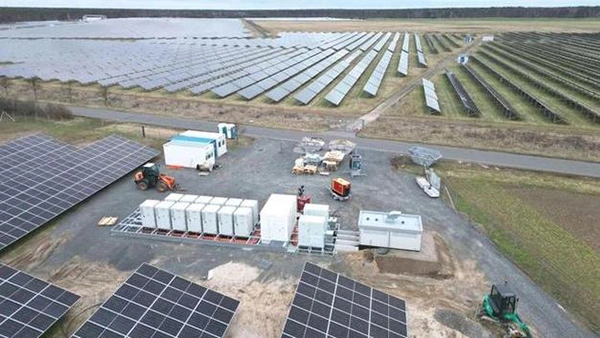 Cabinet AIO Energy Storage System (ESS Cabinet)
Cabinet AIO energy storage systems (also known as ESS cabinets) are integrated energy storage units designed for commercial and industrial applications.
-
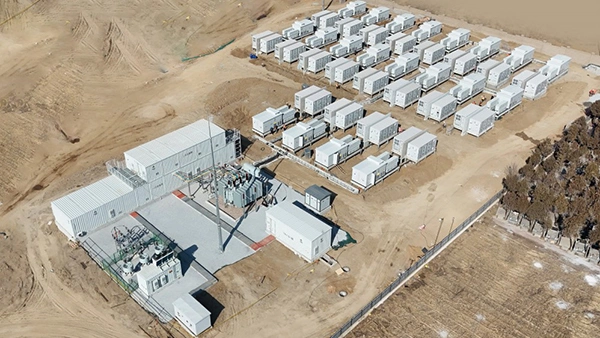 Container Energy Storage System (ESS Container)
Containerized energy storage systems combine battery racks, power conversion systems (PCS), battery management (BMS), fire protection, and temperature control inside purpose-built containers.